
The ethics of automated vehicles and driver assistance
Autonomous vehicles, advanced driver assistance systems (ADAS) such as lane keeping and adaptive cruise control, and the navigation apps that route our trips are changing how we move. They are also disrupting long-standing norms in automotive engineering and transportation regulation. Our research asks who these systems serve, who bears their risks, and how engineers and regulators can make better decisions about them.
Research questions
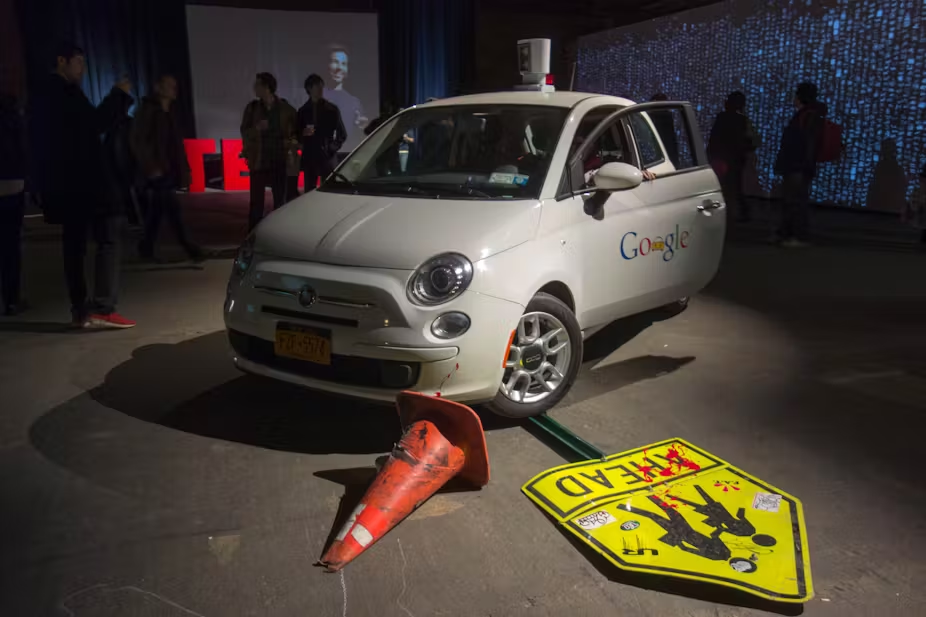
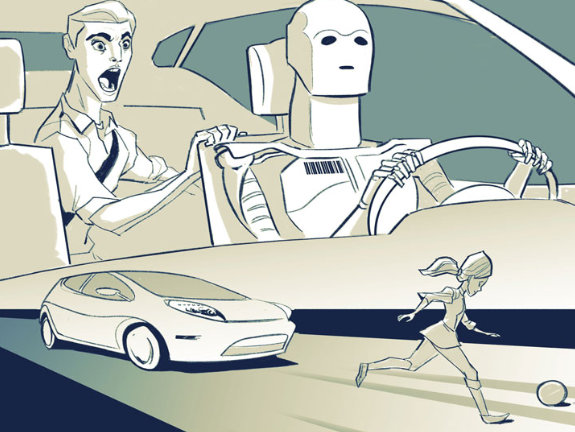
Beyond the trolley problem. Popular debate asks whom a self-driving car should hit in a crash. Our work, from early op-eds such as When robot cars must kill, who should pick the victim? to our report to Transport Canada on transcending trolley problems, reframes those dilemmas as practical design and policy problems. Related work asks whether drivers should have a say in their car's ethics settings.
Driver assistance and automation bias. Do drivers trust ADAS too much, and who is liable when it fails? See Driving Into the Loop and our study of driver perceptions of ADAS and safety.
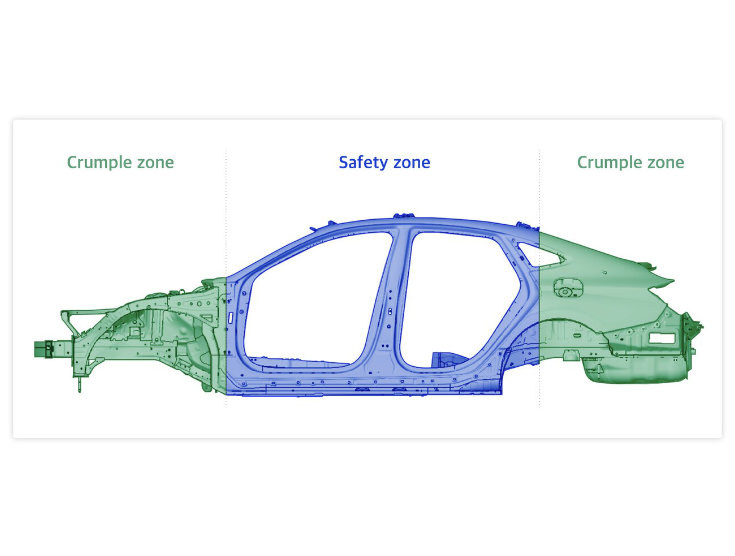
Privacy in automated vehicles. Cars now collect data about drivers, passengers and everyone around them. We co-organized a Dagstuhl seminar on privacy protection for automated and self-driving vehicles and asked whether privacy will become the next moral crumple zone.
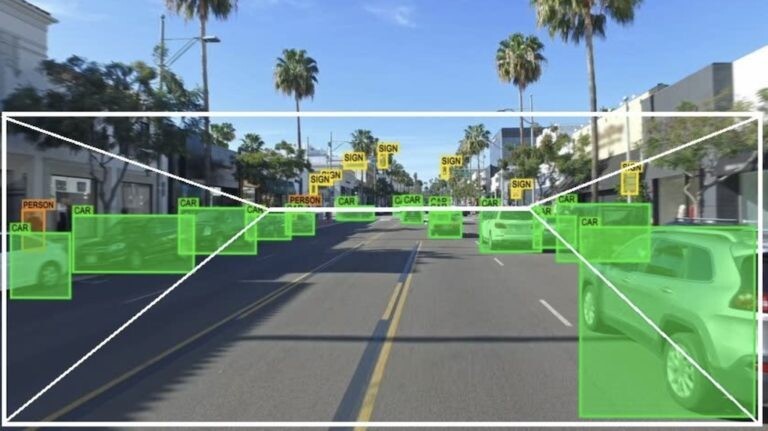
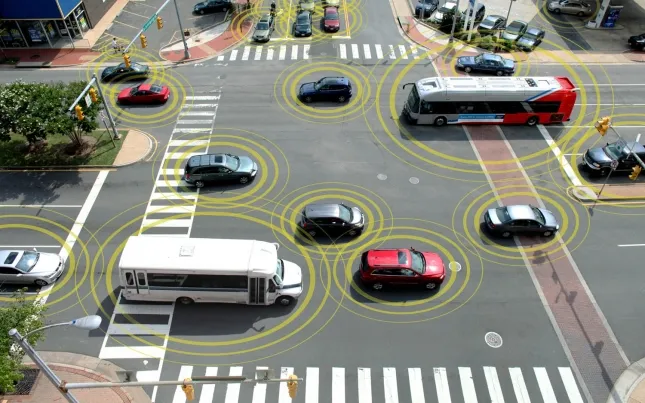
Fairness in navigation apps. Navigation systems treat people as "packets" to route through a city, raising questions of fairness for drivers and neighbourhoods alike.
Designing for human values. Working with Stanford engineers, we developed ways to design automated vehicles around human values.
Informing Canadian policy
We have written reports for Transport Canada on safety lines for automated and connected vehicles and served on the Council of Canadian Academies' expert panel on connected and autonomous vehicles.
Publications
 Publication
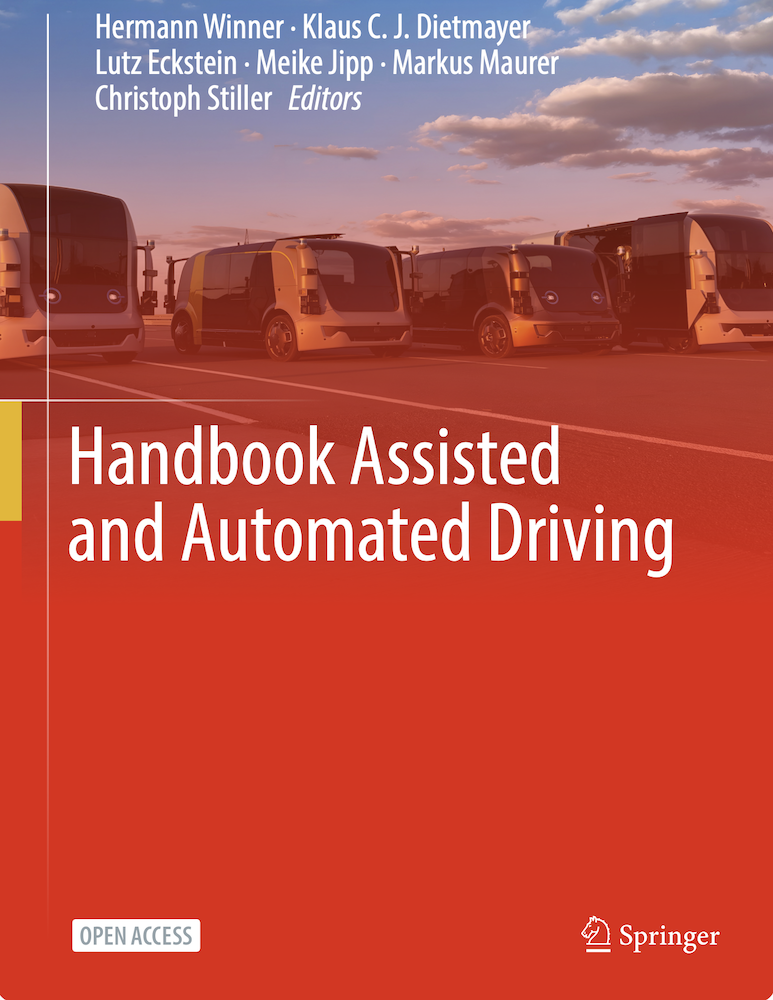
Safety and Risk—Why Their Definitions Matter
 Publication
People as Packets in the Age of Algorithmic Mobility Shaping
 Publication
Privacy Protection of Automated and Self-Driving Vehicles
 Publication
SPIDER: Interplay Assessment Method for Privacy and Other Values
 Publication
Driving Into the Loop: Mapping Automation Bias & Liability Issues for Advanced Driver Assist Systems
 Publication
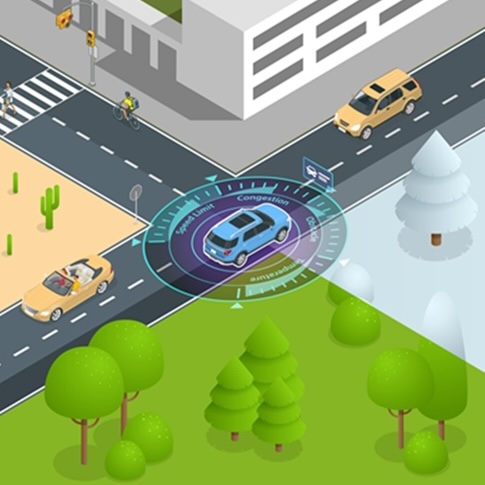
Three Principles for Testing Safety-Critical Robotics and AI In Public
 Publication
Driver perceptions of advanced driver assistance systems and safety
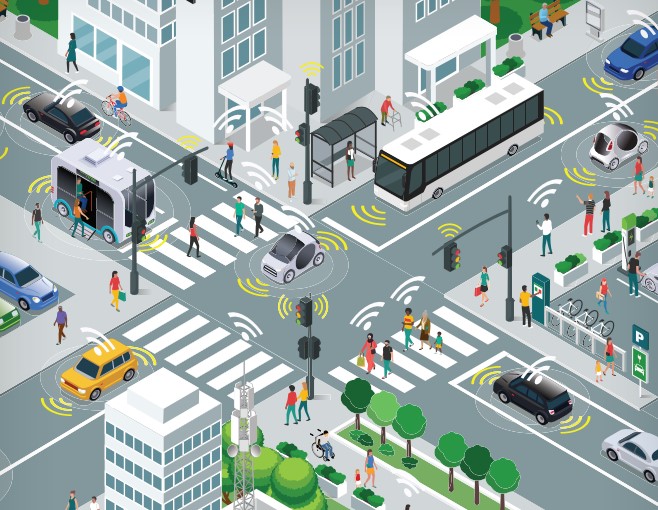 Policy Report
Choosing Canada's Automotive Future – The Expert Panel on Connected and Autonomous Vehicles and Shared Mobility
 Video
People Packets and Fairness in the Age of Algorithmically Controlled Mobility Shaping
 Publication
A Framework for Addressing Ethical Considerations in the Engineering of Automated Vehicles (and Other Technologies)
 Publication
Designing Automated Vehicles Around Human Values
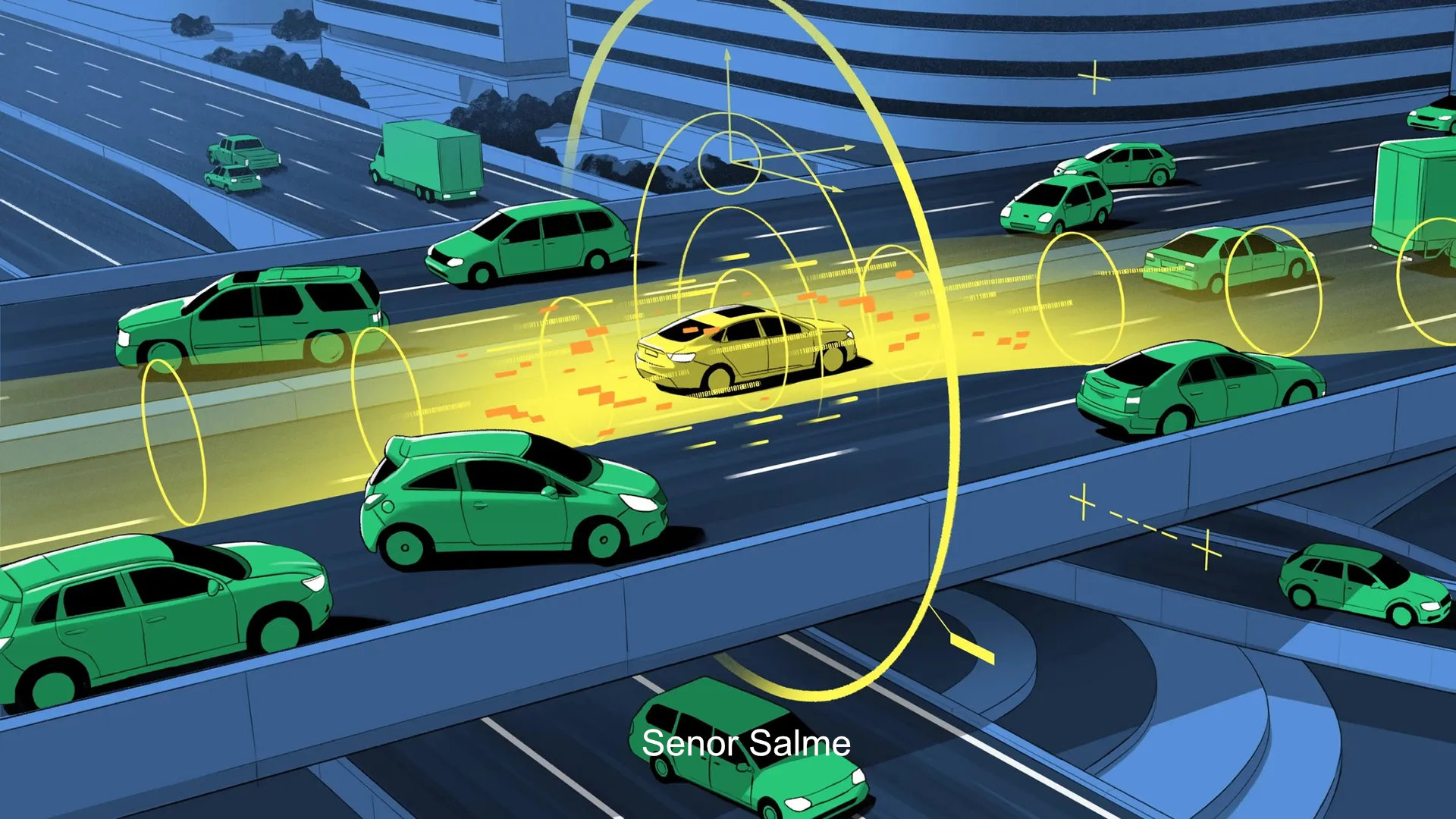 Policy Report
Redrawing Canada's Safety Lines for AV/CV
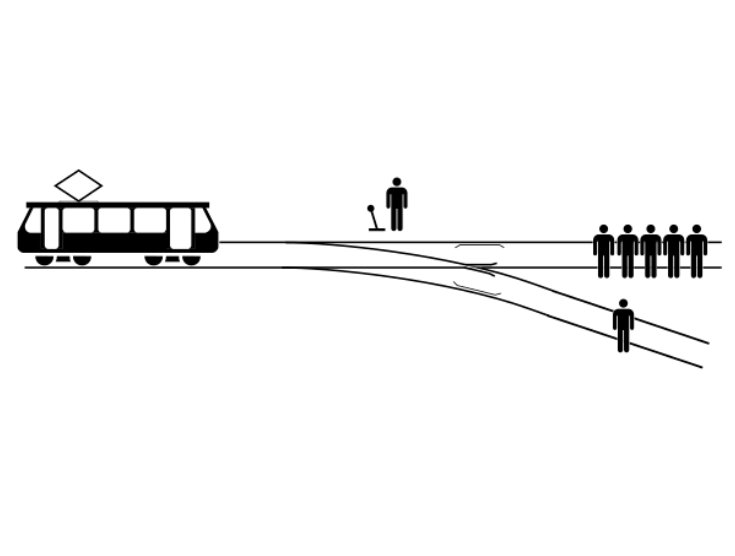 Policy Report
Transcending Trolley Problems: Reframing and Resolving Ethical Problems for AV/CV Safety
 Policy Report
Will Privacy Be the Next Moral Crumple Zone?
 Publication
Hacking Metaphors in the Anticipatory Governance of Emerging Technology: The Case of Regulating Robots
 Publication
Ethics Settings for Autonomous Vehicles
 Publication
An Ethics Evaluation Tool for Automating Ethical Decision-Making in Robots and Self-Driving Cars
 Publication
Technology as Moral Proxy - Autonomy and Paternalism by Design
 Op-Ed
You Should Have a Say In Your Robot Car's Code of Ethics
 Op-Ed
Should Your Robot Driver Kill You to Save a Child's Life?
 Op-Ed