
The Canadian Robotics and Artificial Intelligence Ethical Design Lab
Transforming engineering practice and policymaking through transdisciplinary research on the sociotechnical and ethical aspects of robotics and AI
Research
At CRAiEDL, we bridge the worlds of ethics, engineering design, and policy with practical research aimed at supporting responsible robotics and AI development, deployment, and governance.

Robotics and AI Policy

CRAiEDL STEAM Collective

Ethical Design Tools

Automated Mobility

Healthcare Robotics and AI

Autonomous Weapons Systems
Latest CRAiEDL Activity

We Have Failed Our First Collective AI Safety Challenge
Let’s take a moment to recap the recent AI Safety headlines:
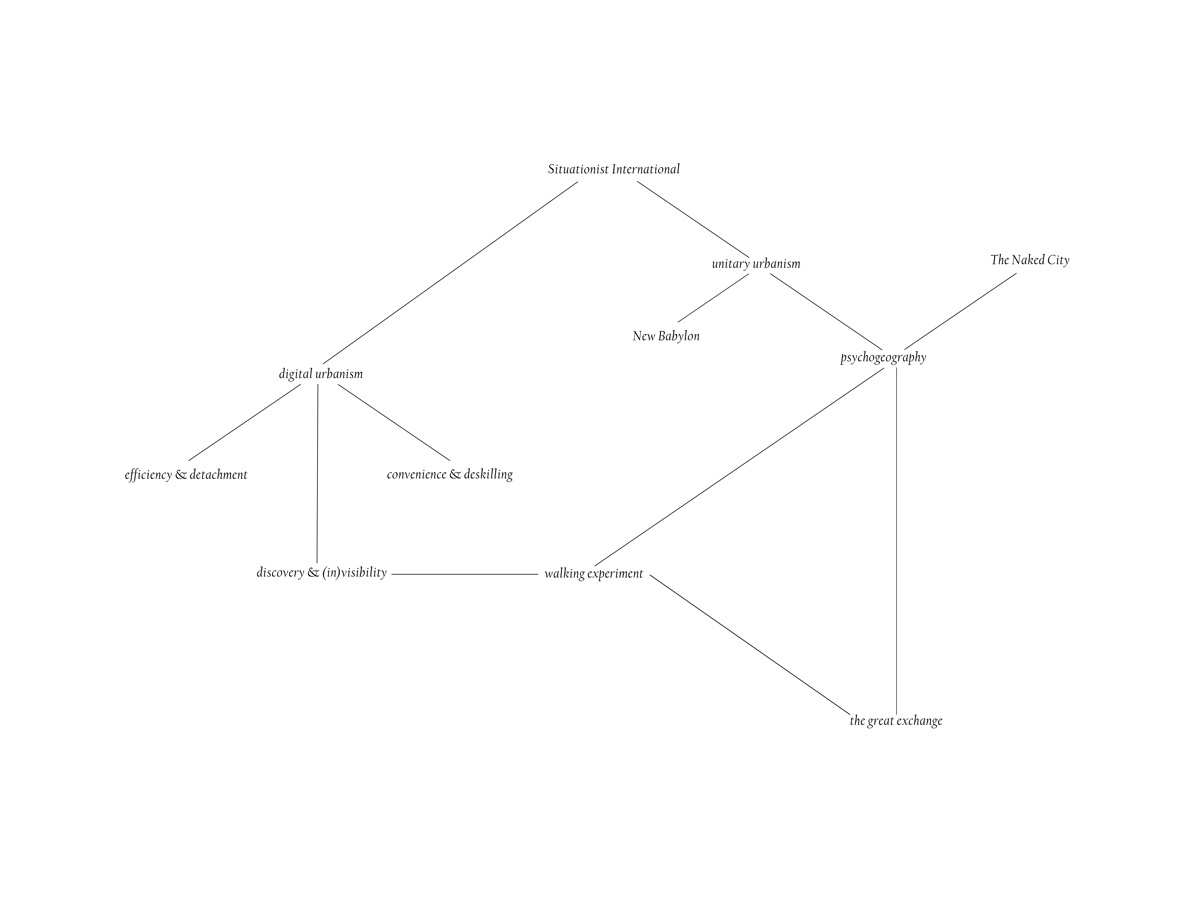
The Role of Art in Challenging Digital Urbanism
An interactive research-creation piece tracing Situationist ideas about urbanism, psychogeography, and walking into a critique of the digital mapping platforms we navigate cities with today.

The Government of Canada falls short on its claims it used AI responsibly in its National AI Strategy Public Consultation
I used an LLM to analyze the Government of Canada's recently released "What We Heard" report. The conclusions it reached suggest more transparency and honesty are required if the government wants their use of AI to be trustworthy, and to convince Canadians they are being heard. Read more at the link below.

Secure AI Is Not Safe AI
If Canada wants safe AI, focusing on AI security won't deliver.

Submission to the ISED National Sprint to Shape Canada's Renewed AI Strategy
This submission is in response to Innovation, Science and Economic Development Canada’s (ISED’s) National 30-Day Sprint to Shape Canada’s Renewed AI Strategy. An important goal of this rapid public consultation is determining how to get Canadians to trust AI, so they will use it more. I worry that this sprint, if the Government of Canada plans to treat it as a one-off, will undermine that goal. There is no doubt that AI is one of the most promising technologies of our time; AI stands to benefit Canadians immensely, if we build and deploy it responsibly. But recent headlines demonstrate the significant risks to which AI subjects Canadians, especially children and youth, when it is deployed frantically. Children are forming problematic emotional relationships with LLMs; Chatbots are exacerbating suicidal tendencies; Educators are deluged with pedagogical challenges due to AI-enabled cheating and deskilling; Democratic norms are being eroded through the rampant spread of misinformation and deepfakes; Studies suggest, despite anecdotal claims that AI is improving productivity, that AI is actually decreasing productivity in areas in which it is meant to excel, such as programming. All the while, AI-producing corporations continue to make unproven claims about the economic benefits of using their AI systems, and politicians, business leaders, and other decision-makers emphasize the need to rapidly adopt AI so Canadians don’t fall behind. The technological FOMO is palpable. These mixed public messages have a predictable effect: according to a recent KPMG report, Canadians don’t really trust AI. But perhaps Canadians are justified in their reluctance to adopt AI. Their low trust of the technology seems appropriately calibrated—the current AI ecosystem appears untrustworthy. We urge the Government of Canada to adopt the right goal: to increase the trustworthiness of AI systems that are deployed in Canada. Nobody should encourage unwarranted trust in AI. Increasing the trustworthiness of AI is at the core of our responses. Because the sprint was rapid our approach at CRAiEDL was to select a subset of questions from ISED’s longer list that we felt landed in our general pool of expertise. We convened a small half-day workshop to draft responses to those questions, and collaboratively edited our answers, which form the remainder of this submission. I would urge the Government of Canada to treat this sprint as a first step in a series of meaningful and much-needed public consultations on much-needed (and overdue) sovereign AI policies. The risks we outline in this submission are backed by a growing body of publicly available evidence of harms to Canadians. Canadians, Canadian children and youth most urgently, deserve strong federal policy responses that protect them from the most egregious deployments of risky, often knowingly harmful, AI-based products. Strong, enforceable red lines prohibiting specific harms promise to help make AI more trustworthy. Only with those protections in place should Canadians begin to trust AI and consider its broader adoption. Only with those protections in place can the Government of Canada responsibly urge them to do so. Dr. Jason Millar BScE, BA, MA, PhD, P.Eng. Canada Research Chair in the Ethical Engineering of Robotics and AIAssociate Professor, School of Engineering Design and Teaching InnovationCross-Appointed to the Department of PhilosophyFaculty of EngineeringUniversity of Ottawa

Canada's AI Task Force Could Use Some Ethics Expertise
Commenting on Canadians’ need to use more AI, the Honourable Evan Solomon, Minister of Artificial Intelligence and Digital Innovation, stated on CBC‘s Power and Politics recently, “Technology moves at the speed of innovation, but adoption moves at the speed of trust.”
CRAiEDL is proudly supported by