
Lethal autonomous weapons and meaningful human control
Lethal autonomous weapons systems (LAWS), often called "killer robots", can identify and attack targets without a human making the final decision. Governments are debating at the United Nations how to regulate them, and a central question is what counts as meaningful human control over the use of force. CRAiEDL contributes research, public engagement and expert testimony to that debate, with a focus on Canada's policy position.
What we’ve worked on
Canada's policy position. Expert testimony (Senate of Canada, May 2017) on a Canadian policy position on meaningful human control and lethal autonomous weapon systems, and on meaningful human control and dual-use technologies (UN CCW).
Public engagement. How should the public take part in decisions about autonomous weapons? See How to Engage the Public on the Ethics and Governance of Autonomous Weapon Systems.
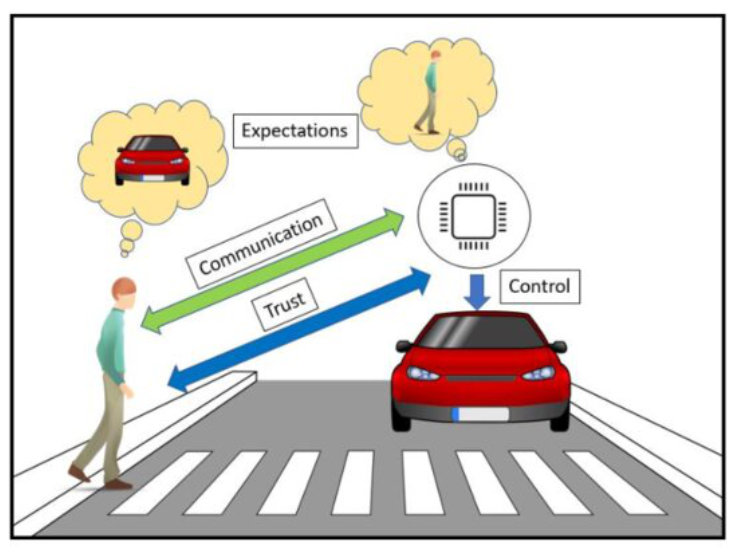
Trust. Targeting Trust, a workshop on the role of trust in autonomous weapons policy.
Training engineers who will say no. With Mines Action Canada, first-year engineering students at the University of Ottawa design virtual robots and weigh the ethics of building lethal autonomous weapons, so the next generation of engineers is ready to make these choices.
Publications
 Project
Graduating a Generation of Engineering Students Equipped to Consider the Ethics of Building Lethal Autonomous Weapons
 Policy Report
Targeting Trust: A Workshop on the Nature and Role of Trust in Autonomous Weapon Systems (AWS) Policy Development
 Testimony
Towards a Canadian Policy Position on Meaningful Human Control and Lethal Autonomous Weapon Systems
 Publication
How to Engage the Public on the Ethics and Governance of Autonomous Weapon Systems
The Ethics and Governance of Lethal Autonomous Weapons Systems: An International Public Opinion Poll
 Testimony